

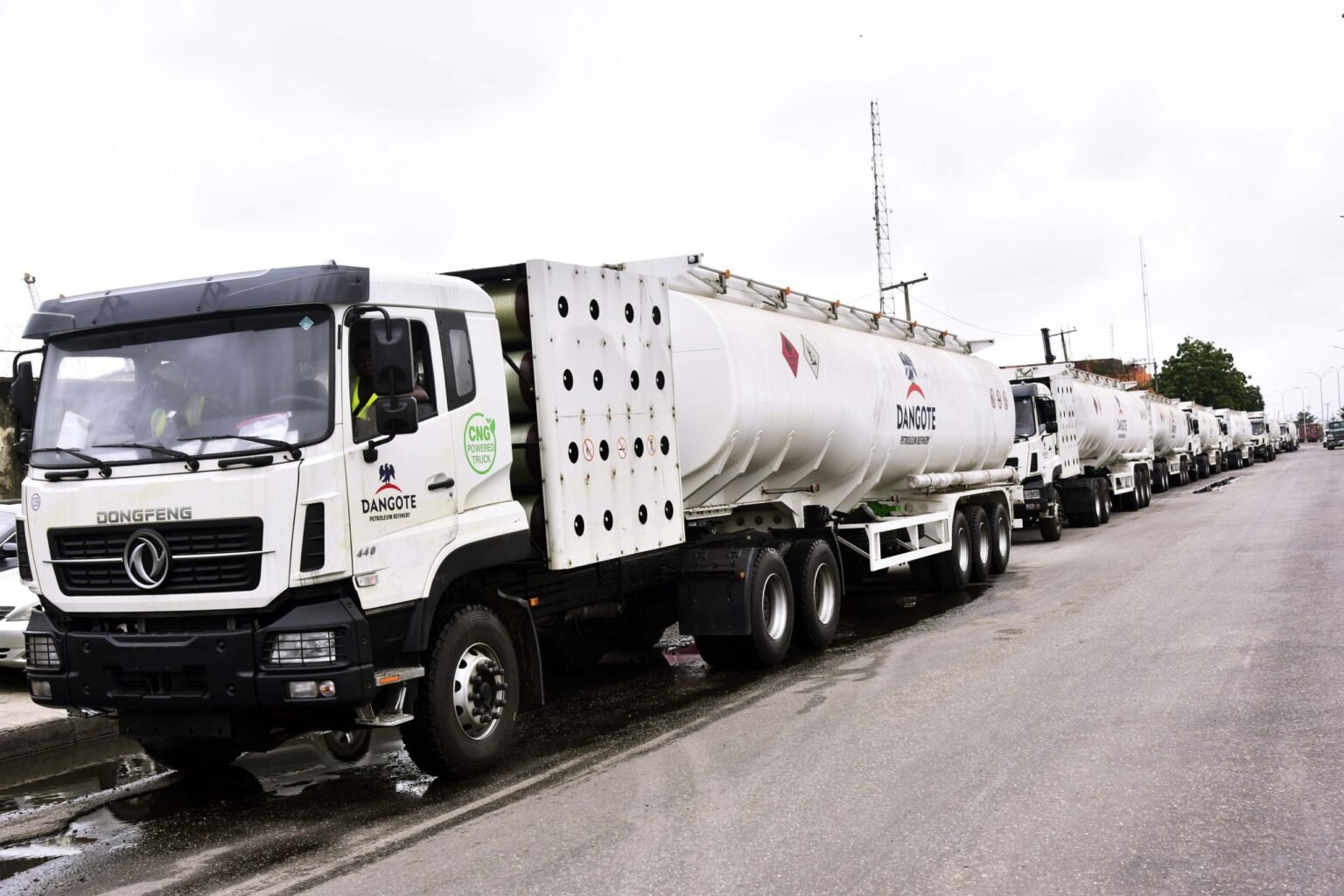
IN SHORT: The Dangote Refinery has exported 456,000 tonnes of fuel across 12 cargoes to Côte d’Ivoire, Cameroon, Tanzania, Ghana, and Togo. It is the refinery’s first major export push since reaching 650,000 barrels per day in February 2026. South Africa and Kenya are both formally seeking supply as the Iran war disrupts Middle East fuel flows.
The Dangote Petroleum Refinery has sold 12 cargoes of Premium Motor Spirit totalling 456,000 tonnes to five African countries: Côte d’Ivoire, Cameroon, Tanzania, Ghana and Togo. The shipments are the refinery’s first major export push since it reached its nameplate capacity of 650,000 barrels per day in February 2026. They arrive as the Iran war disrupts the Middle East fuel flows that have historically supplied much of sub-Saharan Africa, and as South Africa, Kenya and several other governments formally approach Dangote for alternative supply arrangements.
At 456,000 tonnes, the 12 shipments represent approximately 608 million litres of refined petrol across five markets spanning West, Central and East Africa. The geographic spread is deliberate: Côte d’Ivoire and Togo are West African coastal markets with established import infrastructure; Cameroon provides a corridor to inland Central African markets; Tanzania extends the refinery’s reach to East Africa’s largest trade gateway. Ghana, which has been grappling with fuel cost pressures since oil prices spiked above $100 following the February US-Israeli strikes on Iran, is the most prominent name on the list.
South Africa, which consumes approximately 612,000 barrels per day and produces less than half domestically, has formally approached the refinery for supply, as has Kenya. The refinery confirmed it has been approached by multiple African governments seeking to secure fuel supplies. The exports include Euro 5 standard gasoline and diesel, a higher specification than the lower-grade fuels West Africa has historically imported. The refinery described West Africa as a region long regarded as a dumping ground for lower-quality fuels.
CEO David Bird has disclosed that a tank farm is operational in Walvis Bay, Namibia, with pipeline networks planned into Zambia and potentially Zimbabwe and Botswana. A 1.6-million-barrel fuel storage facility is being built in Namibia. The medium-term vision is Dangote-controlled distribution infrastructure covering multiple African corridors, not just FOB cargo sales to international traders.
Bigger Picture: The 456,000-tonne export is a proof of concept for a fundamental restructuring of African energy supply. For five decades Nigeria sat on some of the world’s largest crude reserves while importing refined fuel at a cost of billions of dollars annually. The Dangote Refinery has changed that arithmetic. At 650,000 bpd the refinery produces surplus fuel for export while meeting domestic demand. The Iran war has brought forward the demand signal by years. South Africa, Ghana, Kenya, Tanzania, Cameroon and Côte d’Ivoire are all at Dangote’s door simultaneously. The question is no longer whether the refinery can sell into regional markets. It is whether it can build the logistics infrastructure fast enough to capture the opportunity that geopolitical disruption has just created.
Source: Premium Times / The Punch / Nairametrics