
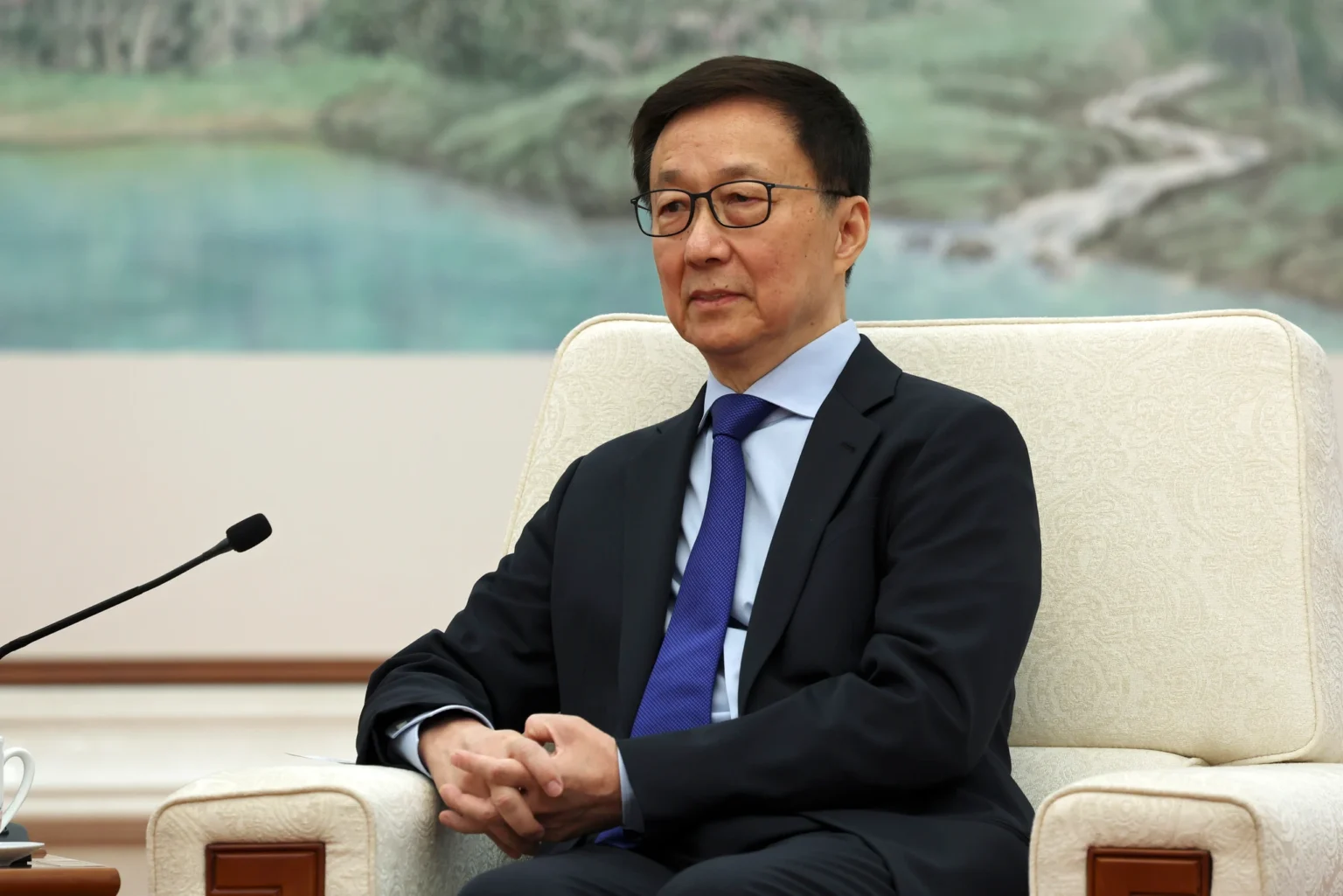
IN SHORT: Chinese Vice President Han Zheng arrived in Kenya on March 22 for talks with Deputy President Kithure Kindiki, timed three days after China’s contractor broke ground on Kenya’s SGR extension. Beijing is simultaneously activating zero-tariff access for 53 African nations from May 1. This is the most senior Chinese engagement in East Africa this year.
Chinese Vice President Han Zheng arrived in Kenya on March 22 for talks with Deputy President Kithure Kindiki, the opening leg of a nine-day African tour covering Kenya, South Africa and Seychelles. The visit is Beijing’s most senior African engagement of the year so far, timed to land three days after China Communications Construction Company broke ground on Kenya’s Naivasha-Kisumu-Malaba SGR extension and as China prepares to activate zero-tariff access for 53 African nations from May 1.
China’s Foreign Ministry confirmed the tour with spokesperson Lin Jian describing it as an important high-level exchange. In South Africa, Han will co-chair the Ninth Session of the China-South Africa Bi-National Commission alongside Deputy President Paul Mashatile. Kenya is first.
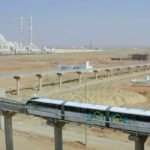
Kinya and China are six decades into a relationship Beijing now characterises as a community with a shared future. The Naivasha-Kisumu-Malaba extension, now under construction by CCCC at a cost of over $3.2 billion, is being built without new Chinese debt, a significant structural shift. Semi-annual Exim Bank repayments fell from $363 million in January 2025 to $230 million in January 2026. The debt burden is easing and Beijing is recalibrating its commercial relationship accordingly.
Ruto’s track record with Beijing is more active than any predecessor. His April 2025 state visit produced seven investment deals worth $658 million spanning manufacturing, agriculture, tourism and technology. China’s zero-tariff announcement for 53 African nations from May 2026 was framed at the 39th AU Summit as part of aligning Beijing’s 15th Five-Year Plan with African development strategies.
Kindiki hosting Han Zheng rather than Ruto receiving President Xi keeps the visit calibrated: high-level enough to signal commitment, measured enough to preserve Nairobi’s room to manoeuvre with Washington, the IMF, and Western development partners simultaneously.
Bigger Picture: Kenya has become China’s most strategically important relationship in East Africa. The shift in the SGR financing model from Chinese loans to domestically mobilised capital is the most important structural development in the relationship in a decade: Kenya gets the infrastructure without the liability, and China gets the contract revenue without the sovereign risk exposure. Han Zheng’s arrival on day three of the SGR groundbreaking is not coincidence. It is sequencing. The pattern to watch is whether the zero-tariff framework from May 2026 generates measurable Kenyan export growth into China, or whether it remains a diplomatic talking point without commercial traction.
Source: Capital FM Kenya / China Daily / The Standard