
**FIFA has officially named YouTube a Preferred Platform for the 2026 FIFA World Cup, the second such designation after TikTok in January. The deal gives official broadcast partners the right to live-stream the first 10 minutes of every match on YouTube, stream select games in full, share extended highlights and behind-the-scenes content, and access FIFA’s digital archive of historic matches. For Africa, where five nations have qualified and hundreds of millions of fans watch sport on mobile, this is not a marginal footnote. It is the most significant shift in World Cup accessibility in a generation.**
The partnership was announced officially on the YouTube Blog on March 17, with FIFA Secretary General Mattias Grafström describing the deal as an effort to “maximise the tournament’s impact across the ever-evolving media landscape, offering fans everywhere easy access to an immersive view of the biggest single-sport event in history.” YouTube’s global head of media and sports Justin Connolly said the platform would give media partners and creators “exclusive access and premium content” to “enhance the experience for both fans and partners.”
Under the specific terms confirmed by YouTube:
– Official broadcast partners can live-stream the opening 10 minutes of every match on their YouTube channels, described as “for the first time in the competition’s history.”
– A select number of full 90-minute matches can be broadcast in their entirety on YouTube by rights holders.
– Partners can publish extended highlights, Shorts, behind-the-scenes footage, and video-on-demand content beyond the live window.
– FIFA is unlocking its digital archive on its official YouTube channel, including full historic match replays and iconic tournament moments.
– A global cohort of YouTube creators will receive access to matches and archive content to produce original coverage including tactical breakdowns, human stories, and behind-the-scenes material.
**Why this matters for Africa specifically**
Five African nations are at the 2026 World Cup: Morocco, Senegal, Nigeria, Egypt and South Africa. South Africa plays the tournament’s opening match against Mexico on June 11, its first World Cup appearance since hosting in 2010. Morocco enters as the official AFCON 2025 title holder and returns as the first African team to reach a World Cup semi-final, which it did in Qatar in 2022. Nigeria and Senegal bring two of the continent’s largest and most passionate football fanbases. Egypt, with over 100 million people, adds North Africa’s most populous nation.
The broadcast structure across Sub-Saharan Africa for 2026 runs through New World Televisions S.A., the Togo-based pan-African satellite broadcaster, which holds rights across 43 Sub-Saharan territories. Under its deal with FIFA, New World TV is required to sublicense 34 matches per day for free-to-air exploitation across those 43 countries. South Africa’s SABC has secured a sub-licence, meaning all 34 daily free matches air across SABC 1, SABC 3, and SABC Sport, with streaming on SABC Plus. SuperSport carries all matches across 50 African countries via DStv and GOtv. North Africa is separately served through beIN Sports.
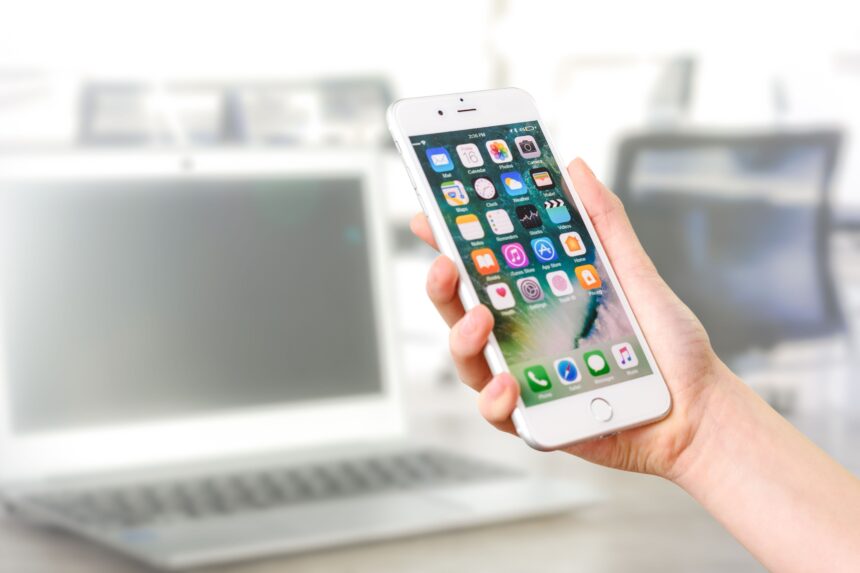
YouTube sits on top of all of this as the layer that reaches the audiences who cannot afford or access pay-TV. The platform is already Africa’s dominant video destination. Nigeria records 92% mobile YouTube access. Kenya sees 94% of YouTube traffic from smartphones. South Africa’s mobile YouTube usage is 89%. YouTube’s global advertising reach is 3.35 billion users, and the platform generates over $36 billion in annual ad revenue, a figure that reflects its commercial gravity as a media channel, not just a content platform.
Sub-Saharan Africa generates a low share of YouTube’s global advertising revenue today, roughly proportional to internet penetration rather than population size. The continent is home to 16% of the world’s population but has not yet generated a commensurate share of YouTube views or ad revenue. That gap is the opportunity. As internet access expands and mobile data costs fall, the audience is growing faster than anywhere else on earth.
**The economics of the deal**
FIFA expects approximately $3.92 billion in total broadcasting rights revenue from the 2026 World Cup cycle, a roughly 30% increase over 2022. The Fox Sports and Telemundo US deal alone is valued at approximately $1.25 billion. European broadcasters contribute an estimated $850 million or more. Emerging markets including Sub-Saharan Africa and MENA are increasingly part of FIFA’s diversification strategy, but their rights fees remain a fraction of Western figures.
The YouTube preferred platform designation is not a rights deal in the traditional sense. No rights fee is reported. It is a distribution agreement: FIFA and its broadcast partners gain a structured, monetisable presence on the world’s largest video platform in exchange for YouTube gaining official content, tournament branding, and the commercial credibility of being FIFA’s preferred digital home. For African broadcast partners, the YouTube window creates an opportunity to monetise audiences they are not currently reaching through pay-TV and to extend their advertising inventory into the digital layer, where brands increasingly want to be.
FIFA is simultaneously relaunching FIFA+, its direct-to-consumer streaming service, in partnership with DAZN as the self-described “global home of soccer” ahead of the tournament. The FIFA+/DAZN relaunch, the TikTok deal, and the YouTube preferred platform agreement together form a deliberate three-platform digital strategy: short-form viral reach on TikTok, long-form community and creator content on YouTube, and a centralised paid streaming product on FIFA+.
**What the creator opportunity means for Africa**
The creator dimension of the YouTube deal deserves specific attention. FIFA will give a global cohort of YouTube creators access to matches, archive material, and behind-the-scenes content. African football creators, particularly in Nigeria, Ghana, Kenya, South Africa and Egypt, operate large and fast-growing YouTube channels covering tactics, commentary, and culture. The World Cup creator access programme is an opportunity for African voices to cover the tournament officially rather than through grey-area fair use clips. That is commercially meaningful: a Nigerian creator covering Senegal versus Morocco with official footage and archive access can monetise that content at a scale that was previously unavailable.
YouTube Shorts pay creators at a modest rate per thousand views but at massive scale. South Africa alone has 300,000 monetised creators on YouTube. The creator economy around the 2026 World Cup, if African content makers participate in the preferred platform structure, could generate material income for African digital media businesses for the first time in a World Cup cycle.
**Bigger Picture: Africa has five teams at the 2026 World Cup and the largest young population on earth, most of whom will watch on a mobile phone via YouTube. The preferred platform deal does not give anyone a free match. What it gives African broadcast partners is a legitimate, monetisable digital extension of their rights, and what it gives African creators is official access to the world’s most watched sporting event. The real question is whether African rights holders and content makers are positioned to capture that opportunity or whether the advertising revenue, the creator income, and the audience data flows primarily to broadcasters and creators in wealthier markets. The infrastructure is now in place. The value capture depends on who shows up.**
*Source: [YouTube Blog](https://blog.youtube/news-and-events/fifa-world-cup-2026-youtube-partnership/) / [FIFA](https://inside.fifa.com/tournament-organisation/commercial/news/sub-saharan-africa-media-rights-world-cup-womens-new-world-televisions) / [Sportcal](https://www.sportcal.com/media/sabc-secures-2026-world-cup-2027-wwc-sub-licenses-with-hollywoodbets/)*