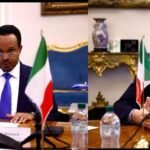

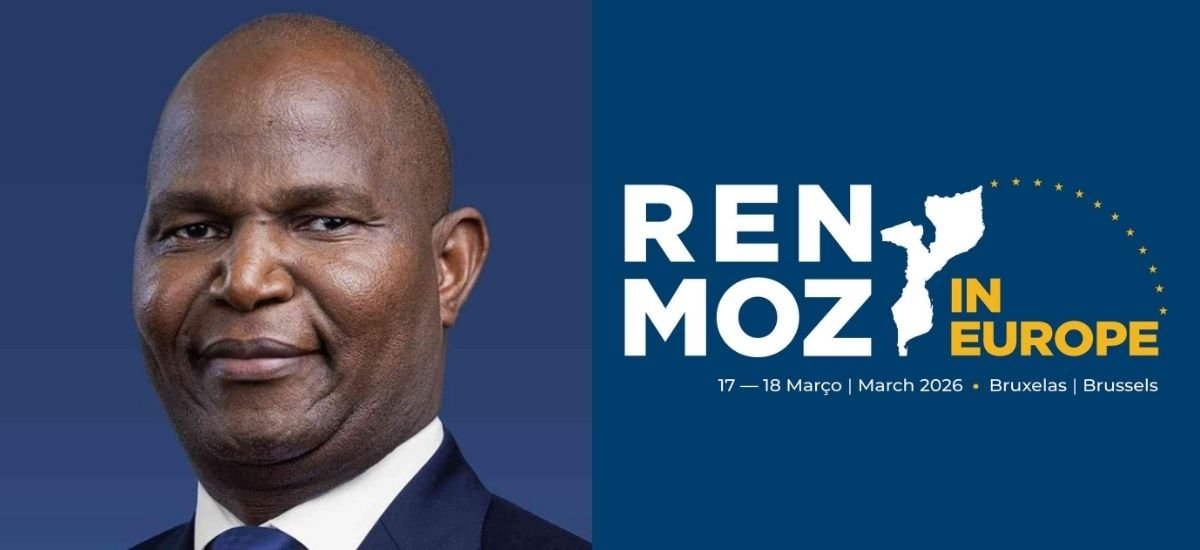
President Daniel Chapo opened the RENMOZ in Europe Business Forum in Brussels on March 18, pitching Mozambique as a southern African energy anchor with $57 billion in LNG projects under development and a target to reach 100 percent electricity access by 2030. On the same day, TotalEnergies CEO Patrick Pouyanné confirmed the $20 billion Mozambique LNG megaproject will not stop again, telling journalists the security conditions are in place and gas exports from the Rovuma Basin will begin in 2029.
The Brussels forum brings together European investors and Mozambican officials at a moment of unusual momentum for the country’s energy sector. Chapo told delegates that Mozambique already exports 1,200 megawatts of electricity to neighbouring southern African countries and is becoming a meaningful actor in the global LNG market. The country’s energy mix spans hydroelectric capacity, gas reserves among the largest in the world, and significant solar and wind potential that has barely been developed.
The electricity access numbers tell the scale of the transformation underway. The share of Mozambicans with access to power rose from 26.5 percent in 2015 to 65 percent by late 2025, a substantial gain in a decade. Closing the remaining gap to 100 percent by 2030 will require significant new generation and transmission investment, which Chapo framed explicitly as a partnership opportunity for European capital.
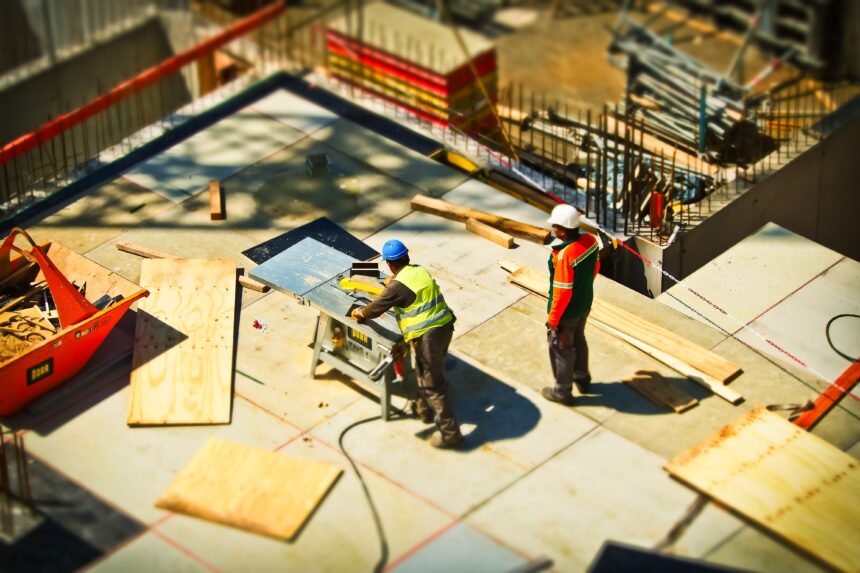
The TotalEnergies meeting was the headline event of the Brussels visit. Pouyanné, who joined Chapo at the formal resumption of construction at the Afungi Peninsula site in January, used the Brussels bilateral to reaffirm the project’s trajectory. Construction of the LNG production and export facility, which was suspended in April 2021 when TotalEnergies invoked force majeure following jihadist attacks in Cabo Delgado, officially resumed on January 29. Pouyanné said he plans to visit Maputo again to monitor progress directly.
The $20 billion TotalEnergies project, with capacity to produce 13 million tonnes per annum from the offshore Rovuma Basin, is the largest of three approved LNG megaprojects in Mozambique. The Italian company Eni has been producing around 7 million tonnes per annum since 2022 from the Coral Sul floating platform, with a $7.2 billion Coral Norte expansion expected to double that from 2028. ExxonMobil’s $30 billion project, also in Afungi with an 18 million tonne per annum capacity, is awaiting a final investment decision.
Combined, the three projects represent approximately $57 billion in committed or pending capital against one of the world’s largest gas reserve positions. The timing of the Brussels forum is not incidental. With the Strait of Hormuz disruption squeezing Middle Eastern gas supply and Europe actively seeking to diversify its energy sources, Mozambique’s LNG pipeline has never been more strategically valued. Italy has already begun routing supply away from Qatar toward African alternatives, with Mozambique explicitly named.
Chapo was careful in Brussels to frame the energy opportunity in terms of green industrialisation rather than pure gas export. He emphasised coordinating rural electrification with agricultural modernisation and the growth of small and medium enterprises, and described natural gas as a bridge resource to be managed responsibly alongside renewables. The framing matters for European investors with ESG mandates who would otherwise struggle to commit capital to a gas project.
Bigger Picture: Mozambique enters 2026 with something few African LNG producers have managed simultaneously: a major project back in construction after a five-year suspension, a Hormuz-driven European demand surge that makes its gas strategically indispensable, and a president willing to court European capital directly in Brussels while it is most needed. The $57 billion in LNG investment pipeline, if it fully materialises, would be transformative for an economy whose GDP is approximately $18 billion. The question is not whether the gas is there. It is whether the political stability, the infrastructure, and the investment terms can hold together long enough to turn Rovuma’s reserves into Mozambique’s revenue.
Source: Club of Mozambique / Club of Mozambique