

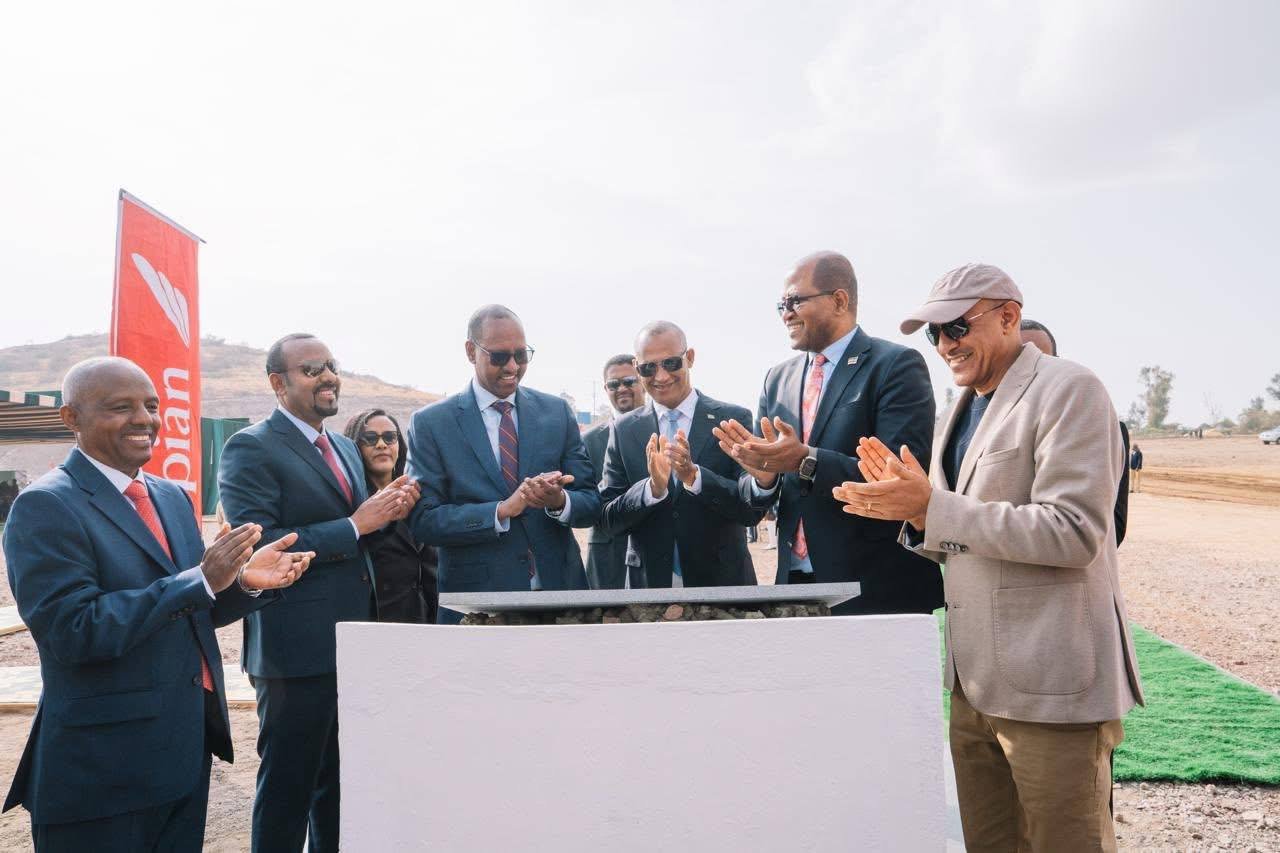
Ethiopian Airlines has inaugurated a $50 million expanded domestic terminal at Addis Ababa Bole International Airport, more than doubling the facility’s size to 25,750 square metres. The expansion increases the airline’s capacity to handle passengers on internal routes and forms part of a broader infrastructure push that includes a new $12.7 billion international airport under construction at Bishoftu, 45 kilometres southeast of the capital.
The terminal was opened in the presence of CEO Mesfin Tasew, board members, and senior executives of the Ethiopian Airlines Group. The upgraded facility replaces a domestic hub that had grown inadequate for an airline that now operates more than 200 domestic flights daily across 22 destinations within Ethiopia.
- The terminal spans 25,750 square metres, more than double its previous footprint, with baggage handling capacity also doubled.
- It features four contact gates, 10 remote departure gates, and 22 check-in counters equipped with automated baggage screening systems.
- Self-service check-in kiosks, upgraded security screening, and a premier passenger lounge are included.
- Addis Ababa Bole International Airport currently handles approximately 22 million passengers annually following a major expansion completed in 2019.
- Ethiopian Airlines operates the country’s largest domestic network, connecting Addis Ababa with more than 20 cities across a country where long distances and difficult terrain make air travel the primary intercity option for time-sensitive travellers.
- Plans are underway to open services to three additional domestic airports at Negele Borena, Gore Metu, and Debre Markos by mid-April 2026.
The terminal upgrade arrives as Ethiopian Airlines reports first-half revenue of $4.4 billion for its current fiscal year, a 14 percent increase year on year. The airline operates 167 aircraft, carried 19.1 million passengers in its last full fiscal year, and has ordered 120 new aircraft with deliveries beginning in 2026. It received the Skytrax Best Airline in Africa award for the seventh consecutive year in 2025.
The domestic expansion runs in parallel with the most ambitious aviation infrastructure project on the continent. Construction of Bishoftu International Airport began in January 2026 following a groundbreaking attended by Prime Minister Abiy Ahmed. Designed by Zaha Hadid Architects, the new airport will feature four runways and capacity for 60 million passengers annually in its first phase, scaling to 110 million at full buildout. Ethiopian Airlines will hold a 30 percent equity stake, with the African Development Bank contributing $500 million and leading efforts to mobilise a further $8.7 billion from development finance institutions and commercial lenders. Total project cost is $12.7 billion.
Bigger Picture: Ethiopian Airlines is executing on two infrastructure layers simultaneously: upgrading the domestic network that feeds its Addis Ababa hub today, and building the next-generation hub that will anchor its continental dominance through 2035 and beyond. The airline’s Vision 2035 targets 271 aircraft, 65 million passengers annually, and $29 billion in revenue, placing it among the world’s top 20 carriers. With 1.8 million seats on departing flights in February 2026 and capacity nearly double that of Africa’s next largest carrier, the gap between Ethiopian and its continental peers is already structural. The Bishoftu airport, positioned 400 metres lower than Bole, will also remove a critical constraint: aircraft currently depart Addis Ababa lighter due to altitude, limiting fuel loads and preventing profitable direct long-haul flights to North America. When Bishoftu opens in 2030, that constraint disappears.
Source: Birr Metrics / Aviation Week