
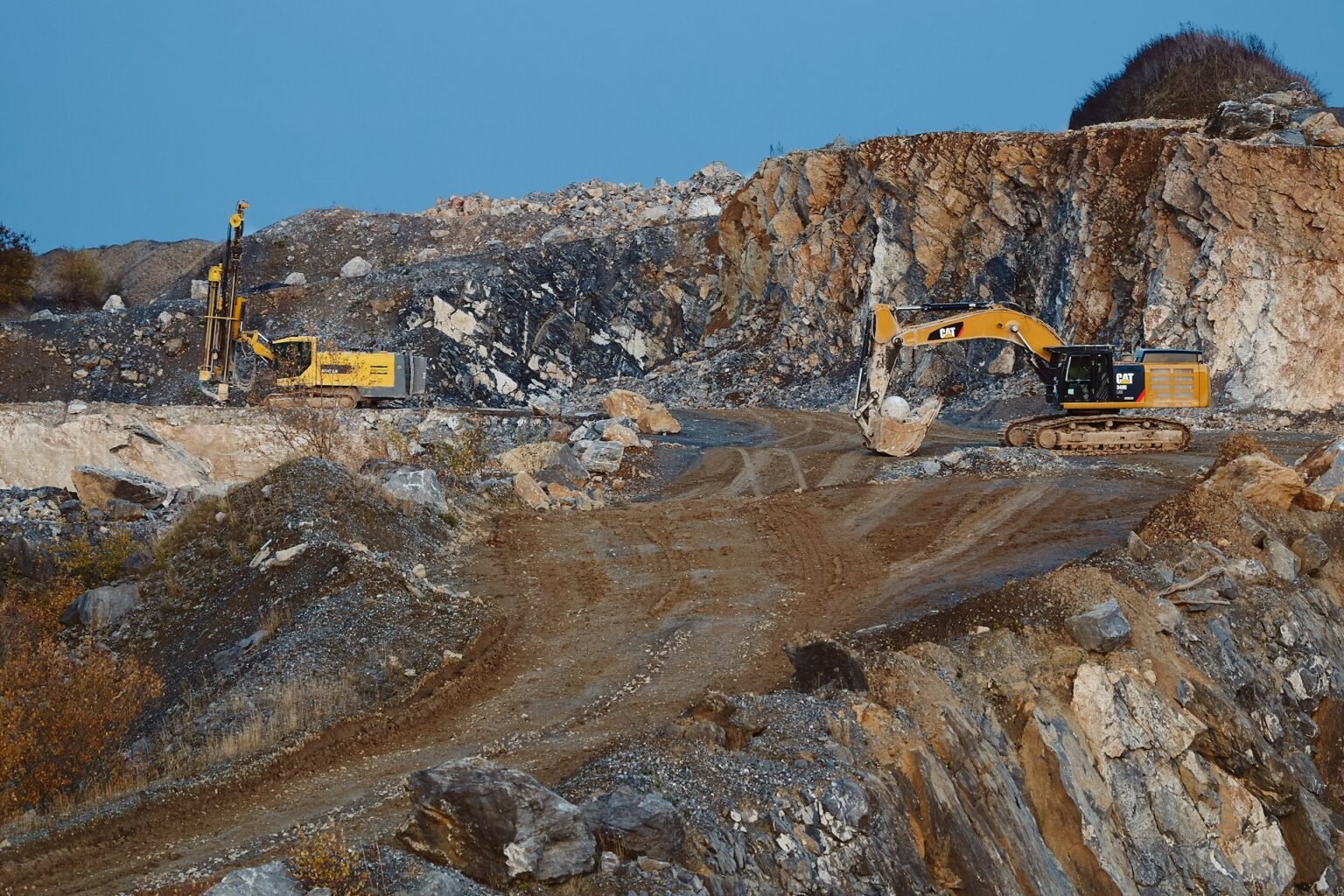
Malawi has banned the export of raw minerals with immediate effect, suspended the issuance of all new mining licences, and ordered a full audit of the national licensing registry, as President Peter Mutharika unveiled a sweeping overhaul of the mining sector in his State of the Nation Address to Parliament on February 13. Mining minister Joseph Mkandawire confirmed the measures would remain in force until further notice while regulatory reforms are completed.
- The ban targets all unprocessed minerals, with a specific focus on strategic resources including uranium, rare earths, graphite, and gemstones such as rubies and sapphires. Products that undergo processing, refining, or beneficiation within Malawi are exempt.
- Mutharika directed the ministers of Finance and Mining to strengthen Malawi’s capacity to negotiate Mining Development Agreements, and announced the government is at an advanced stage of establishing a Sovereign Wealth Fund to channel mining revenues to citizens.
- The state-owned Malawi Mining Investment Company (MAMICO) will be capacitated to conduct detailed mineral exploration, reducing dependence on foreign companies to define the country’s own resource base.
- The government will also review all existing mining development contracts, with the vice president ordered to lead a review scheduled to take 21 days. Mining minister Mkandawire said the objective is to bring efficiency and transparency to mineral rights administration.
- Key projects in development include Sovereign Metals’ Kasiya rutile and graphite project (one of the world’s largest rutile deposits at 538 million tonnes, backed by Rio Tinto), Lindian Resources’ Kangankunde rare earths project, Mkango Resources’ Songwe Hill rare earths project, and Lotus Resources’ Kayelekera uranium mine, recently restarted.
Malawi’s mining sector contributed just 0.7% of GDP in 2023 according to the World Bank, against a government target of 10% by 2063. Yet the country’s mineral endowment is substantial: rare earths, graphite, rutile, uranium, bauxite, and gemstones position it squarely within the global critical minerals supply chain that the US, EU, and China are all competing to lock in. The World Bank projected in January 2026 that the sector could generate up to $30 billion in exports between 2026 and 2040 if Malawi capitalises on demand for green minerals. Lindian Resources moved quickly to clarify that its Kangankunde project remains compliant, noting that processing rare earths into concentrate before export satisfies the beneficiation requirement. Other operators have yet to formally respond.
Bigger Picture: Malawi is part of a widening African trend. Zimbabwe has simultaneously banned lithium concentrate exports, Guinea is pushing bauxite processors to build local plants, and the DRC is tightening gold export controls. The pattern is consistent: resource-rich African governments, watching critical mineral demand surge on the back of the clean energy transition, are using export bans to force downstream investment and reset the terms of deals struck when their negotiating position was weaker. The risk is equally consistent: Tanzania’s 2017 gold export ban temporarily pushed miners into illegal markets and shrank government revenues before the policy was recalibrated. For investors already in Malawi, the 21-day contract review and licence audit create near-term uncertainty. For those watching from the outside, Malawi’s $30 billion green mineral potential over 14 years makes it a market worth tracking closely as the regulatory reset plays out.
Sources: Xinhua / African Insider / Ecofin Agency