
Morocco, Spain, and Portugal opened a trilateral business forum in Salé in February to coordinate private sector opportunities around the 2030 FIFA World Cup, as Morocco’s total World Cup-linked infrastructure investment programme surpasses $23 billion across stadiums, airports, rail, highways, and digital infrastructure. The forum brought together companies from all three countries working in infrastructure, transport, tourism, hospitality, logistics, and digital services.
- The forum was opened in Salé and chaired by Fawzi Lekjaa, Morocco’s Minister Delegate for the Budget and President of the Royal Moroccan Football Federation, who described the platform as a vehicle to unify expertise and create long-term public and private sector value across all three host nations.
- Participants discussed lessons from Morocco’s successful hosting of the 2025 Africa Cup of Nations, which served as an organisational rehearsal for 2030, and explored how the three countries can coordinate logistics, security, transport, and digital services.
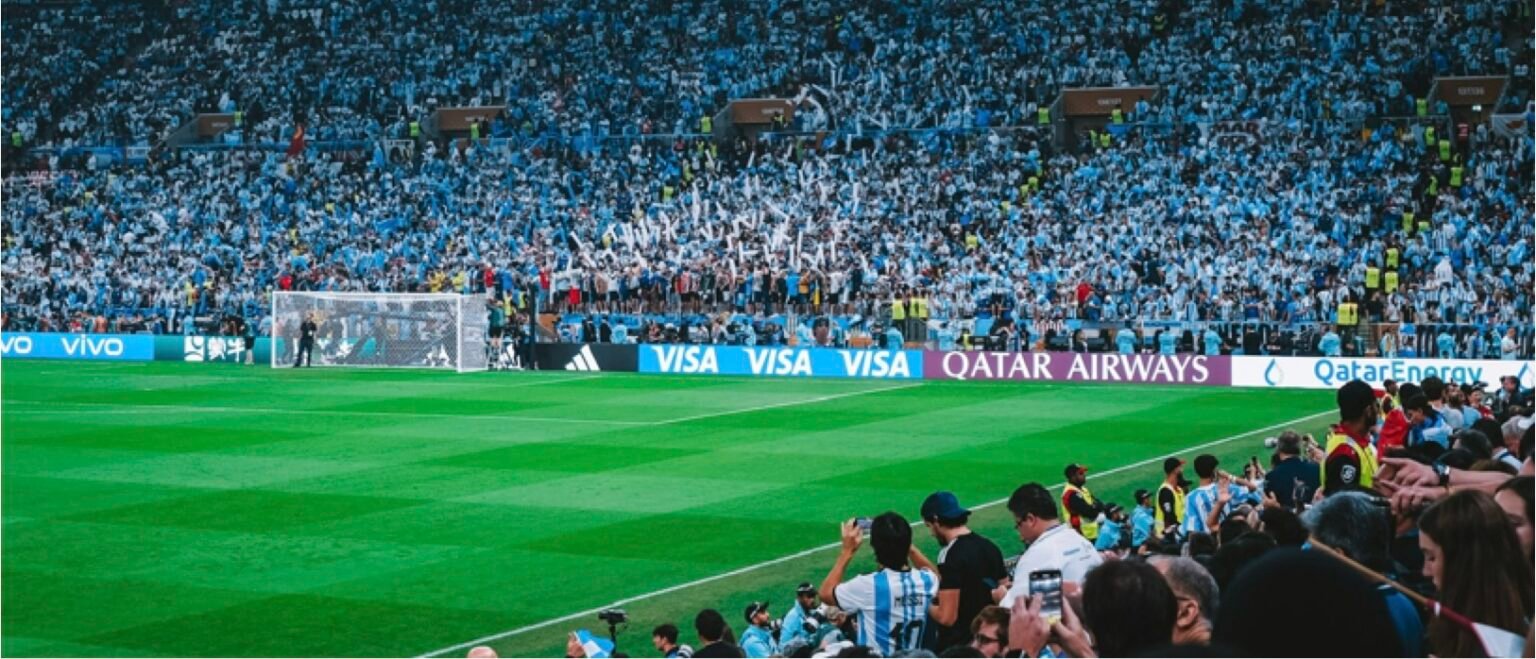
- The 48-team 2030 tournament opens with ceremonial matches in Uruguay, Argentina, and Paraguay before the main competition moves to Spain, Portugal, and Morocco, making it the first World Cup hosted across two continents simultaneously.
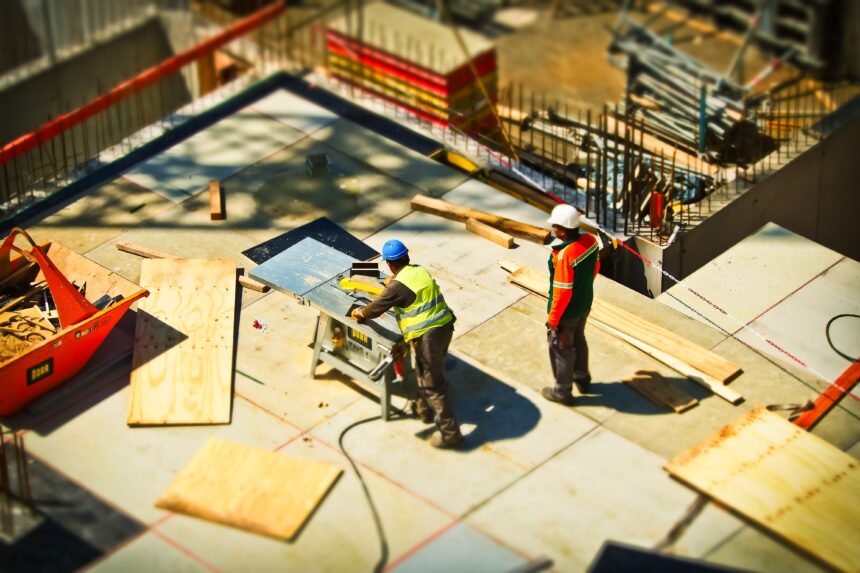
- Morocco’s specific infrastructure programme includes a new 115,000-capacity mega-stadium in Benslimane near Casablanca, renovation of five existing stadiums, $4.2 billion in airport modernisation to raise capacity to 80 million passengers annually, a $10.3 billion national railway expansion, $1.25 billion in highway upgrades, and $1.6 billion to develop Dakhla Atlantic Port as a trade gateway to Africa and the Americas.
- Morocco plans to raise roughly 10 billion dirhams through concessional foreign loans and international donations to cover organisational costs, alongside public company contributions of 17 billion dirhams for infrastructure and transport networks.
Morocco is deploying the World Cup as a strategic economic accelerator, not just a sporting event. The government’s broader target is to double GDP from $130 billion to $260 billion by 2035 while growing annual tourist arrivals from 17.4 million in 2024 to 26 million by 2030. The Salé forum signals that cross-border business coordination between Moroccan, Spanish, and Portuguese companies is moving from diplomatic commitment to operational deal-making, with sectors ranging from construction and hospitality to fintech and logistics all seeing concrete procurement and partnership pipelines open up ahead of the tournament.
Bigger Picture: Morocco’s World Cup preparation is functioning as a decade-long FDI magnet. The broader national economic strategy includes $4.2 billion for airport modernisation, a $10.3 billion railway expansion, $1.25 billion in highway projects, and $1.6 billion for Dakhla Atlantic Port. Morocco’s Investment Charter, adopted in 2022, offers investors bonuses covering up to 30% of project costs in priority sectors and fast-tracked approvals for strategic projects above MAD 2 billion. World leaders including France’s Macron, China’s Xi Jinping, and the UK’s foreign secretary have all visited Rabat in recent months to announce multi-billion-dollar cooperation deals. For African investors, the Dakhla port development is the most significant long-term play: positioned as a free-trade gateway for the continent to Europe and the Americas, it would structurally reduce trade costs for African exporters and create a new regional logistics hub on Morocco’s Atlantic coast.
Source: Africanews