
Kenya’s National Transport and Safety Authority has switched on the Instant Fines Traffic Management System, a fully automated platform that sends traffic violation notices directly to motorists by SMS within seconds of an offence being captured, with fines ranging from Ksh 500 to Ksh 10,000 payable within seven days. The go-live, announced in a public notice on March 9, follows a direct order by President William Ruto to eliminate bribery at roadside police checkpoints by removing human discretion from minor traffic enforcement entirely. Kenya records over 5,000 road deaths a year, costing the economy an estimated Ksh 450 billion, roughly five percent of GDP.
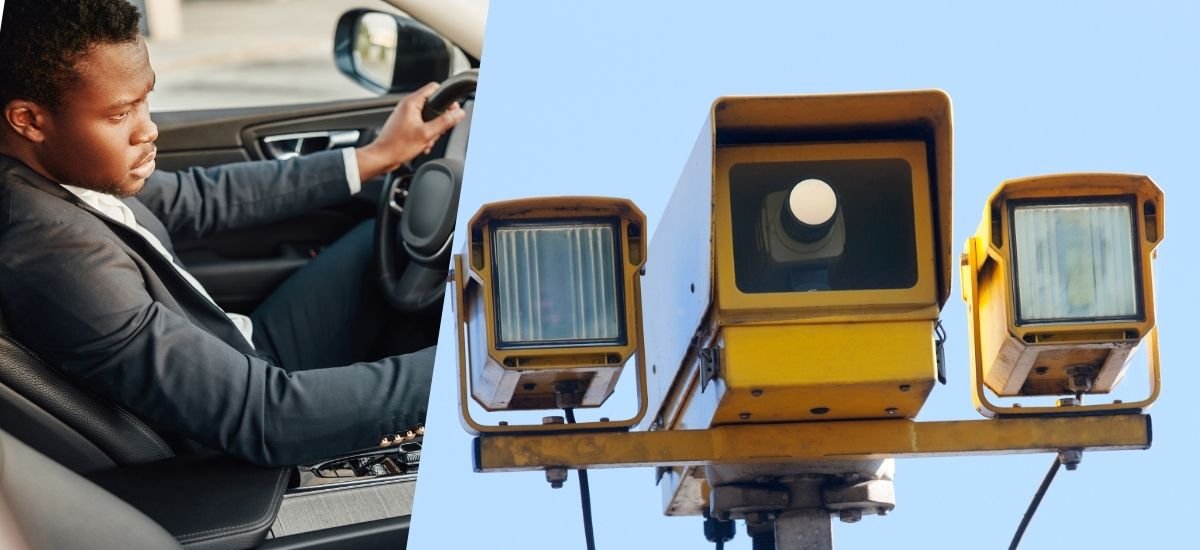
- The system is powered by a network of 1,000 high-definition smart cameras: 700 fixed units on major highways including the Thika Superhighway, Mombasa Road and the Southern Bypass, and 300 mobile units for targeted operations. All cameras feed into a National Command and Control Centre for real-time monitoring and automated offence detection.
- The cameras detect 37 traffic offences, including speeding, lane violations, driving on pavements, mobile phone use while driving, failure to wear a seatbelt, and operating a vehicle without valid plates or inspection certificates. Fines for the most serious offences reach Ksh 10,000. Public service vehicle operators face additional penalties including Ksh 5,000 for driving a PSV while unqualified.
- Payment is handled exclusively through KCB Group’s branch network, with mobile money via M-Pesa, USSD codes and direct banking all accepted. Unpaid fines will block vehicle inspection renewals and ownership transfers. The system integrates with the Second-Generation Smart Driving Licence, allowing drivers to view their offence history and fine status in real time.
- The infrastructure is delivered under a Ksh 42 billion, 21-year public-private partnership between NTSA, KCB Bank Kenya and Pesa Print Limited, approved by Cabinet in late 2025. At contract end, all camera and digital infrastructure transfers fully to the government. From July 2026, mandatory nationwide vehicle inspections will be added to the enforcement framework.
The NTSA launch is the operational delivery of a reform Ruto has been pushing publicly since at least March 2, when he ordered speed cameras rolled out across six major towns within one month and integrated directly with the instant fines platform. The anti-corruption logic is straightforward: Kenya’s road safety enforcement has long been undermined by roadside bribery, with Ruto himself noting that offenders preferred paying a bribe because paying a legitimate fine required a court appearance. The new system bypasses that entirely. Minor offences are reclassified from criminal to administrative violations, removing the court step and making the fine the path of least resistance. The demerit points system, which will deduct points from smart licences and can trigger suspension or mandatory retraining for repeat offenders, adds a behavioural deterrent that cash fines alone cannot. The broader digital integration, linking cameras to law enforcement, prosecutors and the judiciary, signals that the government is building a connected enforcement stack rather than just deploying hardware.
The Bigger Picture: For Kenya’s business community, the most immediate implication is operational: fleet managers, logistics companies and PSV operators need to audit their drivers and vehicles against the 37 detectable offences before the camera network reaches full coverage. Beyond compliance, the system represents a meaningful shift in Kenya’s digital governance capacity. A Ksh 42 billion PPP with a 21-year horizon, integrating cameras, smart licences, mobile payments, and a national command centre, is infrastructure-grade investment in state enforcement technology. If it works as designed, it will also generate a real-time dataset on road use, violation patterns and enforcement compliance that has never existed before in Kenya. Road crashes cost the economy Ksh 450 billion annually. Even a modest reduction in fatalities and accidents would generate returns that dwarf the cost of the system.
Source: Capital FM / The Star