
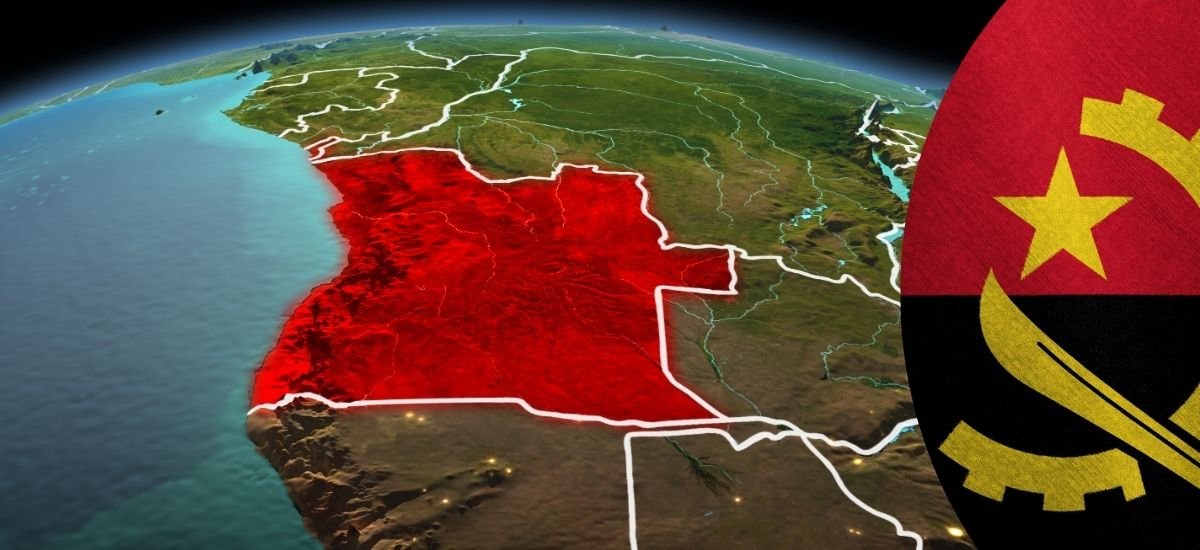
Angola’s President João Lourenço signed a law on March 2 that gives the government broad powers to authorise, monitor, suspend, and financially restrict civil society organisations, with rights groups warning it is designed to silence critics and independent voices. The legislation follows two other restrictive laws signed in 2024 and a draft online disinformation bill introduced in January 2026, forming a clear pattern of tightening civic space in the country.
- The Non-Governmental Organisation Law allows authorities to act against organisations on the basis of “security threats”, a term left undefined in the text, with no clear legal safeguards or independent oversight mechanism.
- Human Rights Watch and CIVICUS both warned before the signing that the law would legalise government excess and enable authorities to restrict organisations operating freely in Angola.
- The law is part of a sequence: in 2024, Lourenço signed the Law on Crimes of Vandalism of Public Goods, which effectively criminalises peaceful protest, and the National Security Law, which empowers security forces to supervise media and suspend broadcasts without judicial oversight.
- A draft online disinformation law, introduced on January 22, 2026, raises further concern about Angola’s trajectory on free expression and public debate.
Angola is a party to international human rights conventions including the International Covenant on Civil and Political Rights. Rights organisations argue the new NGO law directly contradicts Angola’s obligations under those treaties, containing discretionary provisions that violate the rights to freedom of association and expression. The law was published on March 2, three days before HRW published its analysis, suggesting the government moved quickly to finalise it ahead of anticipated international scrutiny.
The Bigger Picture: Angola’s economy depends heavily on oil revenues and maintains deep ties with international investors, lenders, and development partners who publicly align themselves with governance reform. The systematic tightening of civic space, now codified across three laws in two years, poses a direct reputational and operational risk for those partners. For businesses and investors with Angola exposure, the signal is clear: the regulatory environment for civil society is narrowing, and the legal tools now exist to suppress any organised opposition to government priorities. Whether international creditors attach conditions to that reality will define how far this trajectory runs.
Source: Human Rights Watch