

Nairobi is set to host two of the biggest international entertainment events in East African history this year. A three-day festival headlined by Cardi B and Wizkid in April, followed by Vybz Kartel’s first ever Kenya performance in May. Six weeks. Two genre-defining lineups. A city on the verge of becoming Africa’s live music capital.
The back-to-back billing is unprecedented. No previous year has seen two events of this calibre land within weeks of each other, from two entirely different genre bases, drawing audiences from across East Africa and the diaspora.
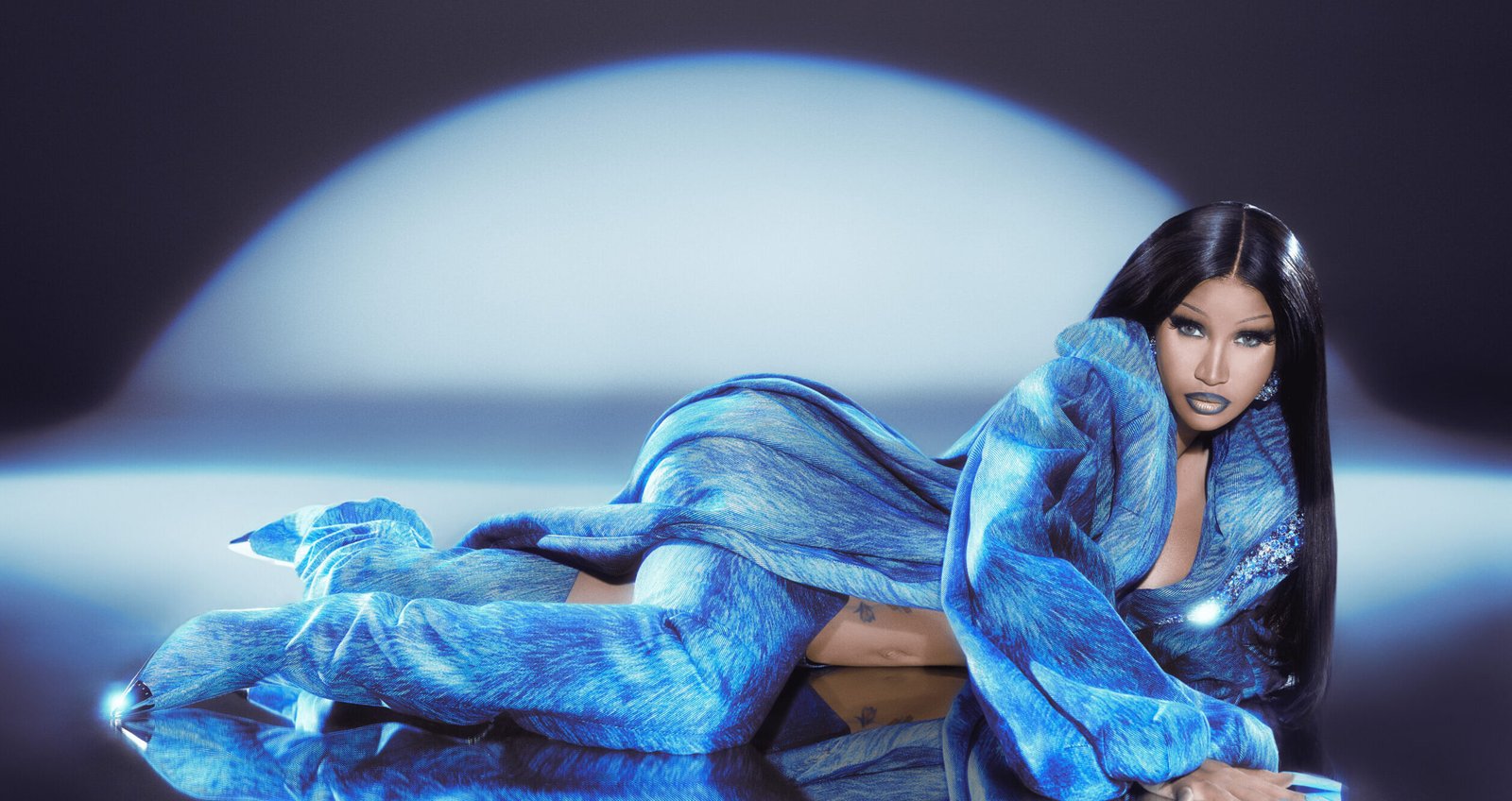
- Afro Topia Music Festival, April 24 to 26, Kasarani Aquatic Stadium: Cardi B, Wizkid, Tyla, Stefflon Don, DJ Maphorisa, Kabza de Small, Skeng, and 450 confirmed. Organised by Karibu Kenya Entertainment. Tickets went on sale immediately after the announcement and organisers confirmed 50% of capacity sold within the opening days.
Talanta East Afrika Festival, May 8, Laureate Gardens, Thika Road: Vybz Kartel headlines, performing in Kenya for the first time after 13 years away from the stage. Kenyan artist Charisma, Uganda’s Elijah Kitaka, and Rwanda’s Element Eleéeh are confirmed on the same bill. Early bird tickets from Ksh 3,000.
The two venues operate at different scales. Laureate Gardens, proven by Walker Town and previous Burna Boy and Rema shows, holds 15,000 to 20,000. Kasarani Aquatic Stadium, within Kenya’s largest sporting complex, runs across three nights and can accommodate a significantly larger total crowd.
On attendance, the regional draw is the real story. Kenya’s top inbound tourism source markets in 2024 were the United States at 306,501 arrivals, Uganda at 225,559, and Tanzania at 203,290, together accounting for around 30% of all international arrivals. For these two events, the pull will be concentrated in Uganda, Tanzania, and Rwanda, plus the Kenyan diaspora in the UK and US. Vybz Kartel’s first Africa performance is expected to bring fans from Uganda and Tanzania who cannot access the Kampala and Kigali legs of the same tour. Cross-border concert travel from Uganda alone has become a reliable revenue stream at every major Nairobi show in recent years, with fans arriving by road and air for events across the city’s main venues.
On the money, Kenya’s travel and tourism sector contributed Ksh 1.2 trillion to the national economy in 2024, a 10% year-on-year increase supporting 1.7 million jobs. A single major international concert creates a measurable short-burst multiplier across hotels, transport, food, and retail. The Burna Boy show at Uhuru Gardens in March 2025 reportedly cost upwards of $1 million in artist fees alone, with that spend circulating through local crew, logistics, security, and hospitality. Conservative per-head visitor spending for concert tourism in East Africa runs at Ksh 15,000 to 25,000 per day across accommodation, food, and local transport, excluding tickets. At 10,000 regional visitors across both events, that is Ksh 300 million to 500 million in direct city spending before a single ticket is counted.
The Bigger Picture: Nairobi is no longer a stop that promoters tolerate. It is a destination they compete to book. The emergence of Karibu Kenya Entertainment as a festival organiser capable of securing Cardi B, and Tunez Records building a three-country regional circuit anchored in Nairobi, signals a structural shift in how the city is perceived globally. The infrastructure is proven, the audience is young, urban, and willing to spend, and the economics now justify the fees. The real test for 2026 is whether Kenya converts two landmark shows into a recurring annual festival economy, the kind that generates business across twelve months rather than six-week spikes, and puts Nairobi on the same routing map as Lagos and Cape Town for every major act touring the continent.
Source: Eventbrite / KBC Digital / Ghafla Kenya / WTTC