

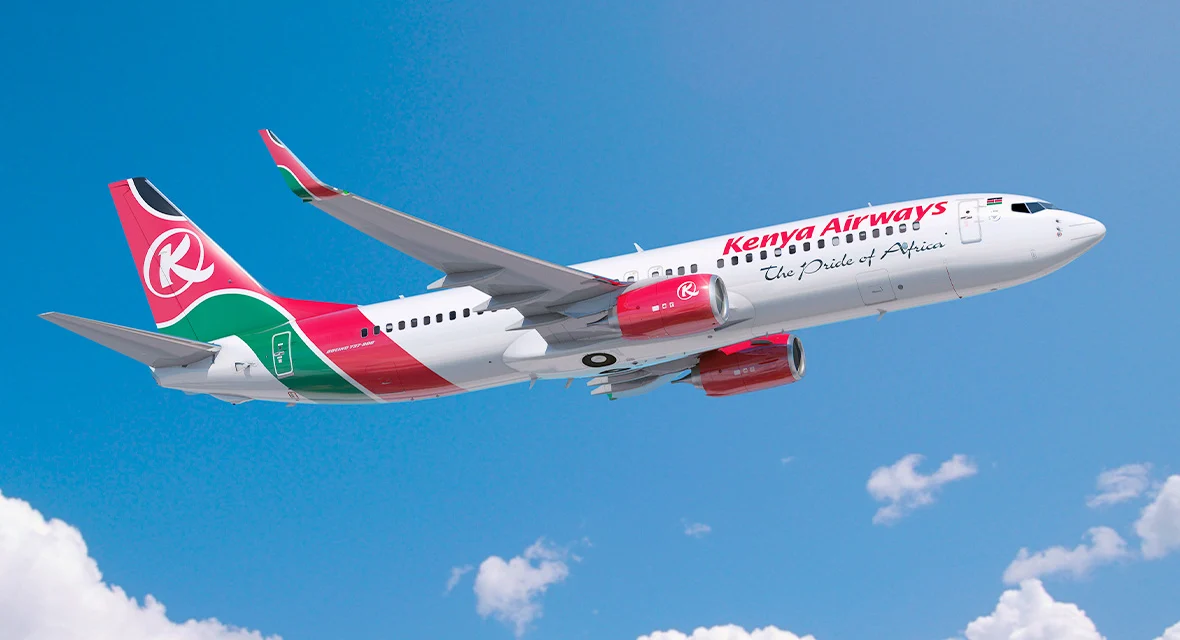
Kenya Airways operated emergency repatriation flights between Nairobi and Dubai on March 4 and 5, following the suspension of all scheduled UAE services on February 28 after the closure of Gulf airspace triggered by US and Israeli strikes on Iran. Scheduled operations remain suspended with no resumption date confirmed.
- KQ suspended flights KQ310, KQ305, KQ311, KQ304, and all freighter services after the UAE closed its airspace on February 28, citing safety risks to passengers and crew from escalating military operations and threats of retaliatory strikes on US bases in the region.
- Dubai International Airport allowed a limited number of flights from March 2 strictly for repatriation purposes. KQ secured slot approvals and operated one Nairobi-bound and one Dubai-bound service on March 4 and 5 respectively, using a Boeing 737-800 returned from storage.
- The flights were restricted to UAE citizens, UAE residents, and passengers with verified bookings on cancelled services. Passengers were told not to travel to the airport without direct confirmation from the airline.
- Emirates, Etihad, and Qatar Airways also suspended or severely curtailed services through Gulf airspace during the same period. Dubai Airport logged approximately 114 repatriation flights across all carriers on March 4 alone.
- Kenya’s Trade Cabinet Secretary Lee Kinyanjui flagged the export exposure: flowers, vegetables, tea, coffee, and meat bound for the Middle East all depend on air freight, and any sustained closure would damage Kenya’s perishables trade directly.
As previously reported on Africaspoint, Kenya’s energy ministry moved quickly to confirm adequate fuel stocks through April under its government-to-government supply framework with Gulf producers, insulating the domestic market from spot price shocks. The aviation disruption, however, sits outside that buffer. The Nairobi-Dubai corridor is among KQ’s most commercially important routes, carrying both diaspora traffic and time-sensitive cargo. As oil markets have already shown, the Iran conflict’s economic ripples across East Africa extend well beyond fuel prices into trade logistics, remittances, and the earnings of the roughly 250,000 Kenyans employed across the Gulf states.
The Bigger Picture: The repatriation operation is a professional response to a fast-moving crisis, but the commercial damage clock is running. Every day KQ’s Dubai route remains dark is revenue lost on one of its highest-yield corridors, cargo capacity lost for Kenya’s flower and horticulture exporters, and remittance pressure on Kenyan families dependent on Gulf earnings. The airline has handled the immediate safety call correctly. The harder test comes if Gulf airspace remains restricted beyond this week, and Kenya’s exporters start absorbing the cost in spoiled perishables and cancelled orders.
Source: Capital FM / Mwakilishi