

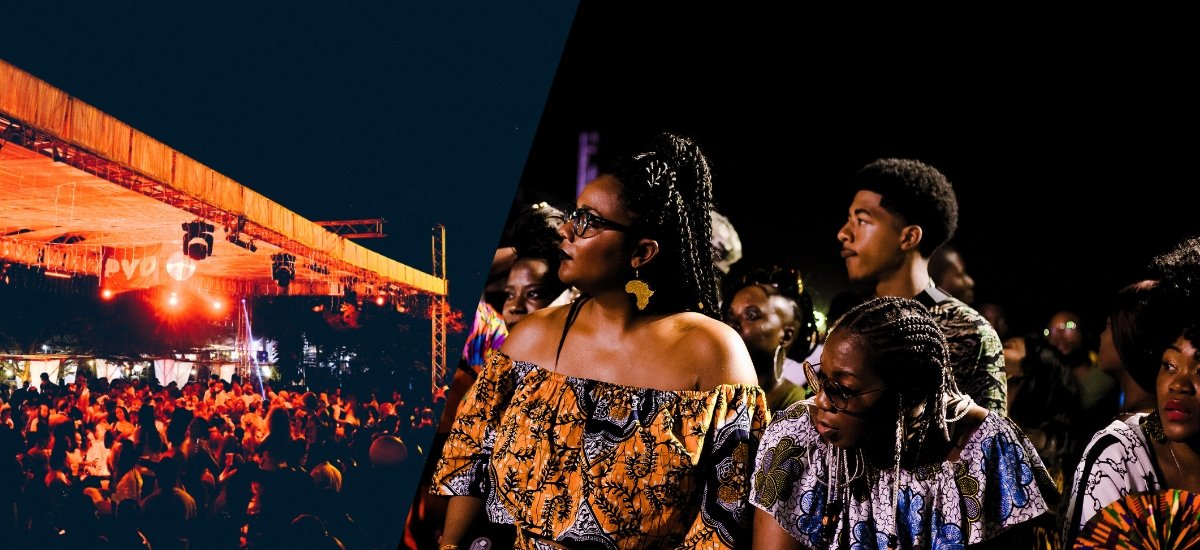
Afrobeats generated $29.6 billion in total trade revenues in 2024 and Sub-Saharan Africa is now the world’s fastest-growing music market, with revenues up over 20% in 2025 alone yet a Harvard University report confirms Africa remains the lowest-earning region globally for music royalties, capturing a fraction of the value its culture creates.
- Global recorded music revenues grew for the tenth consecutive year in 2024, with Afrobeats total trade revenues reaching $29.6 billion, up 4.8% year on year, according to the IFPI Global Music Report 2025
- Spotify streams of Afrobeats have grown 550% since 2017; for the first time, twelve African artists from four countries received Grammy nominations across multiple categories at the 2025 ceremony
- Sub-Saharan Africa’s music industry revenue grew over 20% in 2025 alone, the fastest growth rate of any region worldwide, per Spotify’s Sub-Saharan Africa Managing Director Jocelyne Muhutu-Remy
- In Nigeria, Africa’s largest music market, local music consumption rose 82% in 2025 over the prior year; daily streams rose 23%
- Streaming music in Africa is set to generate close to $500 million annually by 2025, with the shift to digital-first revenue making cashflows more auditable and investable than ever before
- Universal Music Group acquired a majority stake in Nigerian label Mavin Global in a deal valued at $150 to $200 million; Mavin’s roster including Rema and Ayra Starr achieved 6 billion combined streams in 2023
- Afreximbank has committed $1 billion to support Africa’s creative industries off the back of Afrobeats growth; IFC and Sony Group have jointly established a $10 million fund to invest in Africa’s creative sector
- Africa’s gaming industry hit $1 billion in 2024 across 66 active studios in 23 countries and is projected to reach $3.7 billion by 2030; Kenya’s 20 to 30% film rebate scheme has attracted Netflix and Amazon productions
- Africa’s overall creative economy is projected by the Brookings Institution to reach $200 billion by 2030, representing an estimated 10% of global exports in creative goods
- Afrobeats fans spend 121% more on music categories per month than the average US listener, making the genre commercially attractive to global brands and advertisers
The central tension in the Afrobeats story is structural. The genre has achieved global cultural dominance through organic momentum: artists building audiences on TikTok and Instagram, songs spreading through diaspora communities in the UK and US before crossing into mainstream markets, live tours selling out arenas from London’s O2 to New York’s Barclays Center. But the systems that convert that reach into recurring African-owned revenue, namely rights registration, royalty collection, publishing infrastructure, and local streaming monetisation, remain largely controlled by foreign entities or simply absent. A Harvard report authored by Professor Olufunmilayo Arewa, launched at a 2025 event hosted by Harvard Law School, put the problem plainly: Africa is the lowest-earning region globally for music royalties despite producing one of the world’s fastest-growing genres. The Brookings Institution estimates that 50 to 75% of revenues in Africa’s film industry are lost to piracy, while musicians in Ghana and Tanzania have lost monetisation opportunities due to outdated royalty systems. The acquisitions by Universal Music and Warner Music of Mavin Global and Africori respectively represent significant inflows of capital but also a deepening of foreign ownership over African intellectual property at the moment its global value is highest.
The Bigger Picture: Afrobeats is at the same inflection point that K-pop occupied roughly fifteen years ago. South Korea did not simply celebrate its cultural exports; it industrialised them with IP frameworks, national platforms, and vertical integration of music, film, and merchandise rights. The result was an economic engine that now generates billions in foreign exchange and employs hundreds of thousands. Africa has a larger youth population, a faster-growing streaming market, and a genre that already outsells K-pop in several Western markets. What it lacks is the policy architecture to capture the returns. The Harvard CSASE report’s call for an AfCFTA creative visa, enabling artists to tour across African borders without prohibitive costs and delays, is one concrete intervention. Stronger copyright enforcement, modernised royalty collection bodies, and tax incentives for domestic music infrastructure investment are others. The $29.6 billion figure is proof that the demand exists. The $200 billion projection for the broader creative economy by 2030 is proof that the upside is enormous. The question Africa’s policymakers must now answer is whether they treat cultural exports as a strategic revenue channel or continue to let others capture the value of what African artists built.
Source: The Exchange Africa / Brookings Institution