

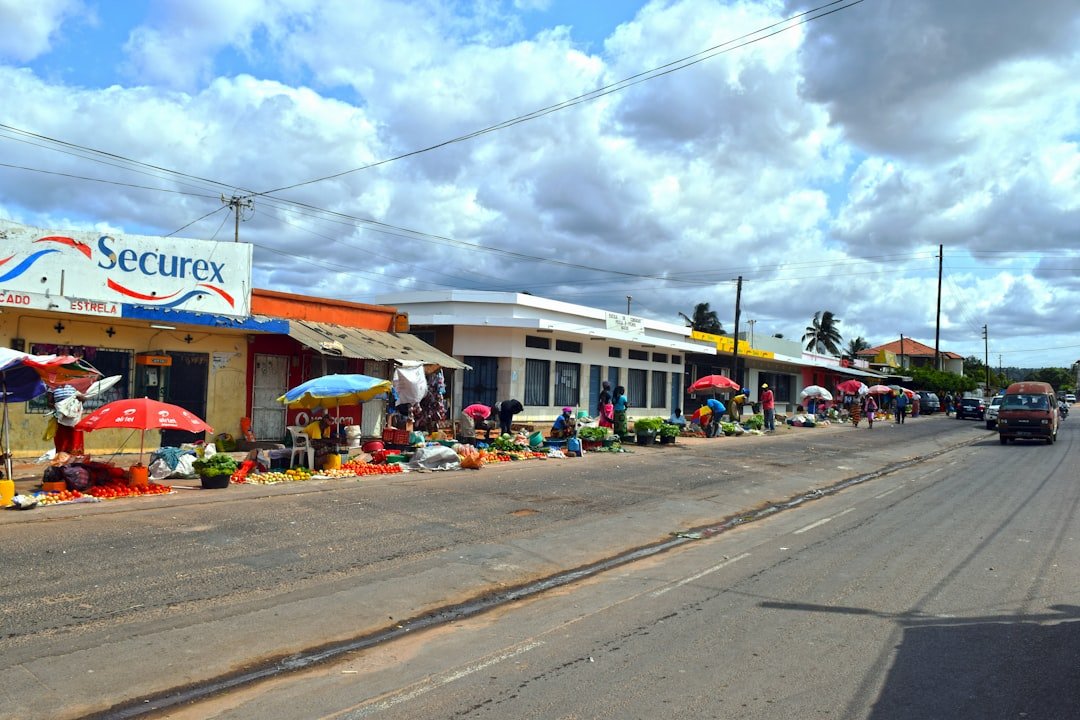
Zimbabwe’s government has capped the fees local authorities can charge businesses under new Model Fees By-Laws gazetted on February 27 as Statutory Instrument 41 of 2026, cutting costs for everything from restaurant licences to hotel compliance certificates by up to 50% in a direct move to lower the cost of doing business.
- Most business licences, including bakeries, butcheries, restaurants, bottle stores and wholesale operations, capped at US$500 per year
- Hotel fees reduced by 50% to a maximum of US$1,725 annually; lodges capped at US$500; guesthouses and motels from US$152.50 to US$227.50
- Fire compliance certificates capped at US$500; fire licences previously above US$1,000 cut by 50%
- Health report fees capped at US$100; liquor licence registration set at a flat US$20
- Urban transport fees standardised: intra-city route authority at US$20 per year, taxi rank disks at US$20 per quarter
- On-street parking set at US$0.50 per hour; tow-away charges halved across all local authorities
- Framework described as “non-binding” in the explanatory note, issued under the Urban Councils Act and Rural District Councils Act
The regulations were issued by the Minister of Local Government and Public Works and are designed to align municipal fees with national economic policy. Businesses across Zimbabwe have long complained about inconsistent and excessive levies from local authorities, with the unpredictability of municipal costs cited as a barrier to formalisation and investment. The “non-binding” designation leaves room for interpretation, but publication as a statutory instrument gives the caps legal weight that voluntary guidelines would not carry.
The Bigger Picture: Fee reform at the municipal level is often where business environment improvements stall in African economies. National governments announce investment-friendly policies while local authorities quietly undermine them with escalating levies that smaller businesses cannot absorb. Zimbabwe’s decision to gazette specific caps rather than issue guidance targets that gap directly. The hospitality sector in particular stands to benefit at a moment when the country is actively courting tourism recovery. The test will be enforcement: a non-binding framework published as statute occupies an ambiguous legal space, and local authorities facing revenue pressure have strong incentives to find workarounds. How rigorously central government monitors compliance will determine whether these numbers become a real cost relief or remain a headline with limited reach.
Source: New Zimbabwe