
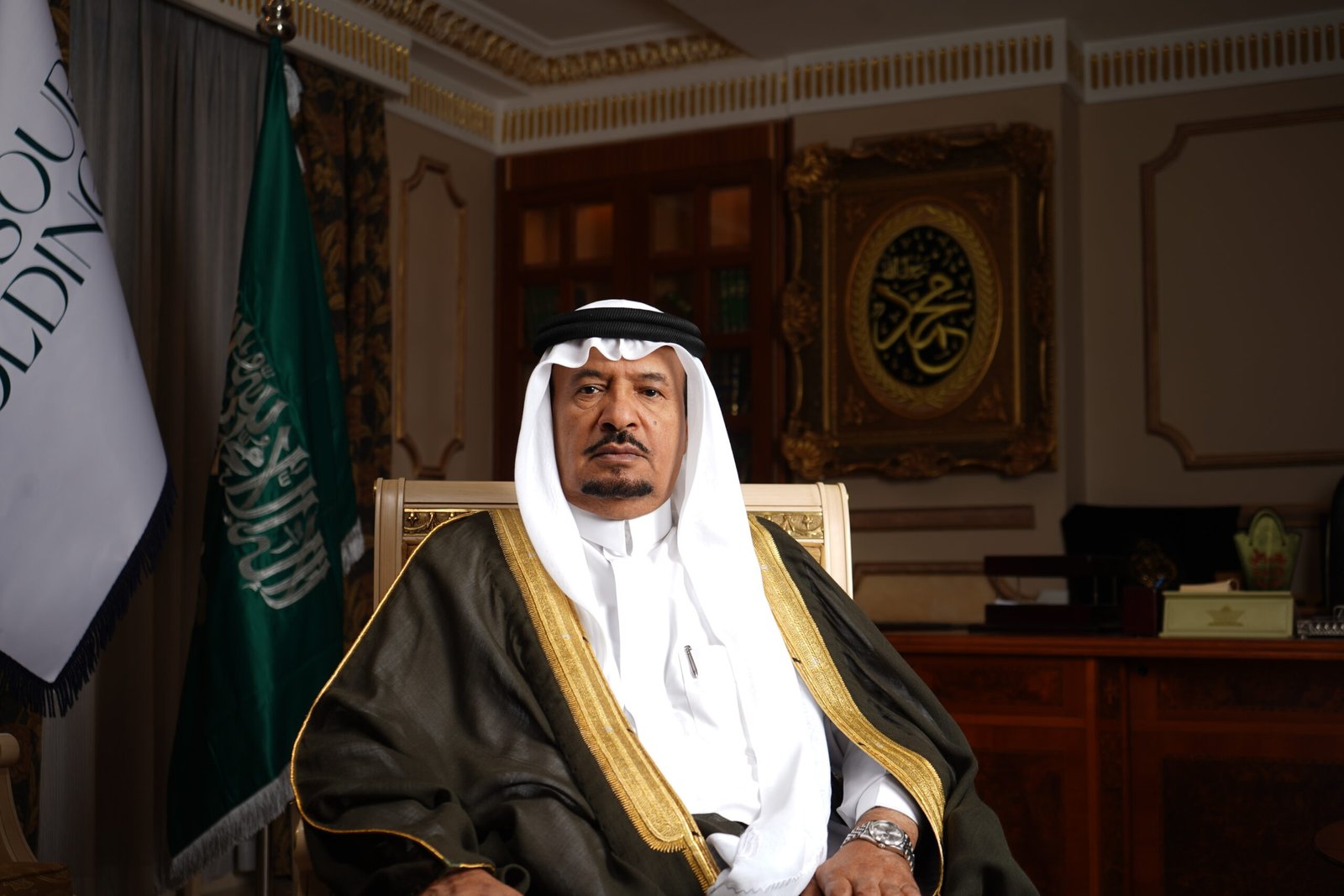
Al Mansour Holdings, one of Qatar’s largest conglomerates, has committed $103 billion across six African countries including the DRC, Mozambique, Zambia, Zimbabwe, Botswana and Burundi in a landmark diversification push.
Key Points
- The DRC receives the largest allocation at $21 billion, followed by Mozambique at $20 billion
- Zambia and Zimbabwe each secured $19 billion, while Botswana and Burundi received $12 billion apiece
- Qatar’s hydrocarbons still account for around 60% of GDP, driving the push into African markets
- Africa’s FDI inflows surged 75% in 2024 compared to a global rise of just 4%, driven heavily by Gulf capital
Context
Qatar has been building toward this moment since 2008, when a crash in oil prices saw Doha’s revenues collapse from $115 billion to just $19.8 billion in a single year. That shock accelerated the National Vision 2030 plan, which aims to shift Qatar toward a knowledge and services economy. Africa offers what Qatar structurally lacks: arable land, water resources, abundant labour, and critical minerals such as gold, copper and cobalt. Qatar has been quietly expanding on the continent for years, including a 60% stake in Rwanda’s international airport and growing positions in telecommunications, banking and energy across Nigeria, Kenya and South Africa.
Why It Matters
This deal signals a fundamental shift in where global capital flows. Gulf states are no longer passive investors in African commodities but are positioning themselves as long term strategic partners across infrastructure, agriculture and energy. For African governments, this wave of Gulf capital offers financing alternatives beyond Western institutions and multilateral lenders. The $103 billion commitment from Al Mansour alone exceeds the annual GDP of many African economies, and if deployed as announced, it would represent a transformative injection into some of the continent’s most resource rich but underfunded nations.
Source: Finance in Africa